
 Italiano
 Português
 Amazon
 Ebay
Ebay
Are Small Glass Dropper Bottles Reusable?
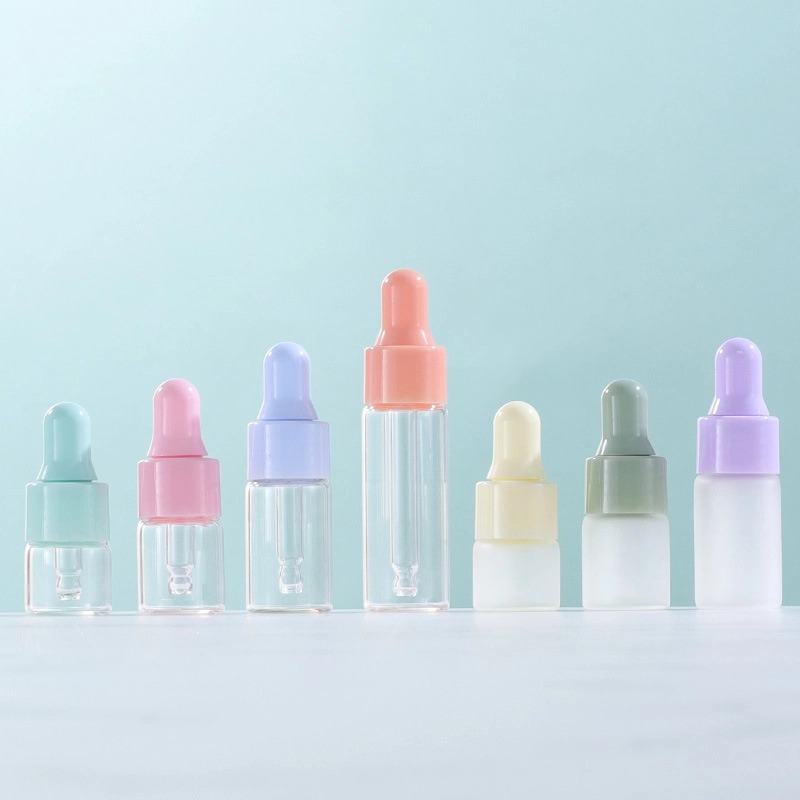
♻️ Introduction: Not just disposable items
When the last drop of serum is used up, these well-designed bottles with smooth rims and color-capped lids are not only reusable but can be safely and hygienically revitalized through proper cleaning methods. They become indispensable allies in a sustainable lifestyle.
In this article, we’ll delve into the numerous benefits of reusing these glass dropper bottles, providing a comprehensive cleaning guide to ensure error-free operation, allowing every bottle to be used to its fullest potential.
♻️ Why are Reusable Dropper Bottles Needed?
Choosing to reuse is not merely a matter of thrift, but a wise decision rooted in the exceptional qualities of the product itself. This is especially true for those meticulously designed smooth-rimmed, colored-capped small glass dropper bottles, whose reusability is deeply ingrained in the superiority of their materials.
1. Material Superiority
Unlike common plastic containers, glass bottles are inherently designed for reuse.
-
- Glass properties: Glass possesses chemical inertness, meaning it does not react chemically with the liquids it contains. Its non-porous surface never absorbs odors or colors. After thorough cleaning, it can be restored to pristine condition, eliminating the risk of cross-contamination and ensuring purity and safety with every use.
2. Benefits of Reuse
Maximizing the reusability of small glass dropper bottles delivers multiple advantages:
-
- Eco-Friendly Choice: Each bottle reused effectively reduces waste, serving as the most direct practice of a sustainable lifestyle.
- Cost-Effective: For DIY enthusiasts, repurposing these high-quality bottles eliminates the need for additional expenses on new packaging supplies. Whether crafting new skincare recipes or decanting other liquids, significant savings are achieved.
- Versatility and Convenience: Once properly cleaned, these bottles safely serve diverse new purposes. Their smooth-rimmed design ensures a clean, drip-free filling experience, while color-capped lids offer both aesthetic appeal and effortless content identification and organization.
♻️ How to Properly Clean and Disinfect Glass Dropper Bottles
Mastering the correct cleaning method is key to safely reusing glass dropper bottles.
Step 1: Complete Disassembly
-
- First, thoroughly disassemble the bottle into three components: glass bottle, rubber bulb, and plastic or metal cap.
Step 2: Initial Rinse and Deep Cleaning
-
- Rinse all parts with warm water and mild dish soap.
- For the bottle body, use a small bottle brush to thoroughly clean the inner walls, especially the area below the smooth-rimmed edge where residue tends to accumulate.
- Focus on cleaning the glass dropper and rubber bulb: Repeatedly squeeze the bulb to flush warm soapy water through the dropper’s interior, removing any residual essential oils or serum.
Step 3: Deep Sterilization
-
- Boiling Water Sterilization: Place heat-resistant glass bottles and outer caps in boiling water for 10 minutes. (Note: Rubber or plastic caps are not suitable for this method to prevent deformation.)
- Low-Temperature Oven Method: Place all cleaned components in a preheated high-temperature oven and dry for 15-20 minutes. This method effectively sterilizes glass bottles.
- Disinfectant Soak Method: Soak all components in food-grade disinfectant for 15 minutes. Thoroughly rinse with purified or distilled water afterward to prevent chemical residue.
Step 4: Thorough Drying and Reassembly
-
- Place all components upside down on a clean drying rack or lint-free cloth in a well-ventilated area to air dry completely. Ensure no moisture remains inside the bottle or dropper to prevent bacterial growth. Once fully dry, reassemble the components and prepare them for use with your next skincare formulation.
♻️ Important Notes
Safety is the foremost prerequisite for secure usage. Although smooth-rimmed, color-capped small glass dropper bottles are well-designed, understanding their usage limitations is crucial.
1. Safety First
Before reusing glass dropper bottles, always evaluate the following points:
-
- Content Compatibility: Bottles previously used for essential oils or skincare products should never be repurposed for strong chemicals, cleaners, or unknown liquids. Residual traces could trigger unforeseen chemical reactions—a fundamental bottle safety rule.
- Component Damage Inspection: Before and after each cleaning, thoroughly inspect the bottle body and all components. If you notice any cracks or chips in the glass bottle, if the rubber bulb becomes sticky, hardened, or cracked, or if the plastic cap is deformed and no longer seals properly, discontinue use immediately and discard the bottle. Damaged components compromise product integrity and safety.
- Irremovable residues: If stubborn stains or odors persist after thorough cleaning and disinfection, it is recommended to recycle the item for safety reasons.
2. When Not to Reuse
Under the following specific circumstances, refrain from reuse and proceed directly to recycling:
-
- Bottles that have held medication: Containers previously used for prescription drugs, over-the-counter medications, or other chemical reagents must be treated as single-use items. Even our high-quality amber glass bottles should never be repurposed to avoid hazardous cross-contamination.
- Clearly labeled as single-use: Respect the product design. If the original label explicitly states “Not for Reuse” or “Single Use Only,” follow the manufacturer’s instructions.
♻️ Conclusion
In short, these exquisite smooth-rimmed, color-capped small glass dropper bottles are by no means disposable items. Thanks to their chemical inertness and glass composition, they can be safely reused multiple times through proper cleaning and sterilization procedures.
Therefore, we sincerely encourage you: the next time you encounter an empty bottle, don’t discard it lightly. Instead, try the cleaning guidelines in this article and give your high-quality glass bottles a new purpose.
Last Updated:2025/10/14

 English
  Italian