
 Italiano
 Português
 Amazon
 Ebay
Ebay
How Jade Roller Material Affects Essential Oil Stability?
🪻 Introduction
Many people focus solely on the quality of essential oils, neglecting the impact of the rollerball material. In fact, the porosity, thermal conductivity, and crystal structure of the rollerball directly alter the chemical stability of the essential oil, thus determining the safety and effectiveness of skincare products.
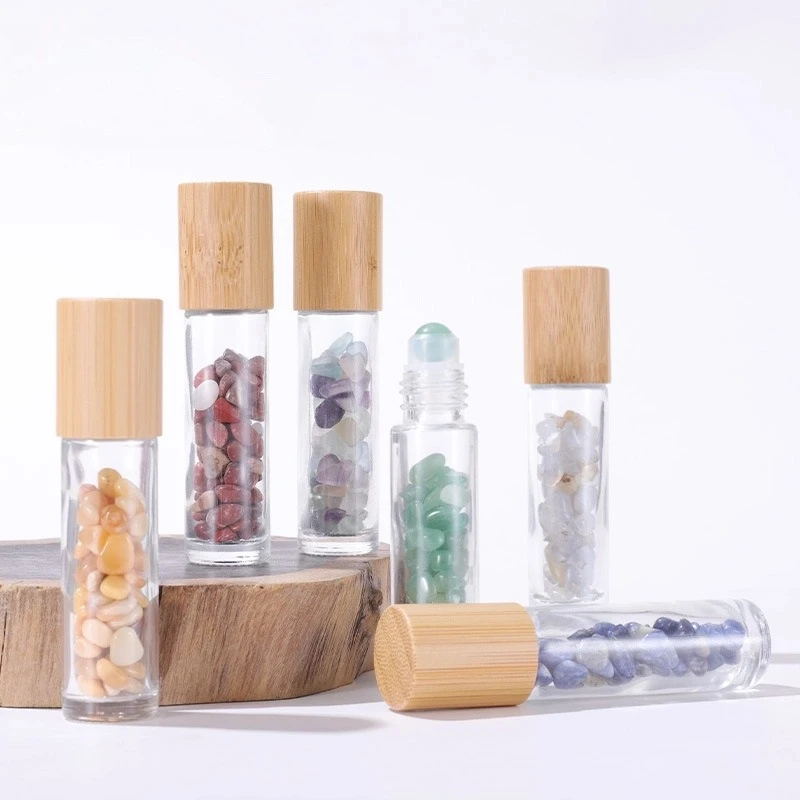
The Bamboo Cap Crystal Jade Roller Glass Bottle is popular not only for its elegant appearance and portability, but also because the glass bottle effectively reduces chemical reactions. The material properties of the jade rollerball itself are crucial to the stability of the essential oil during use.
🪻 Why is the Stability of Essential Oils Important?
Before using the Bamboo Cap Crystal Jade Roller Glass Bottle with essential oils in your skincare routine, it’s crucial to ensure the stability of the essential oils. This means ensuring the essential oils resist oxidation, volatilization, and polymerization during storage and use. Stable essential oils retain their original chemical composition and efficacy.
Signs of unstable essential oils include: color changes, oxidation and rancidity, and a weakened or altered aroma. The most concerning issue is their impact on the skin. Oxidized essential oils can cause irritation, inflammation, and even generate a large number of free radicals, accelerating aging.
This is why rollerball bottles are made of glass – glass does not react chemically with essential oils and can better maintain the stability of the essential oils, while the choice of material for the jade rollerball determines whether the essential oils will be destroyed more quickly during the massage.
🪻 Material 1: Natural Jade (Nephrite)
-
- Characteristics: Dense, almost non-porous texture, cool and smooth to the touch, with a slightly alkaline surface charge. These characteristics make it difficult for essential oils to adhere to or penetrate.
- Interaction with Essential Oils: Extremely low chemical resistance, does not easily catalyze the oxidation of essential oils. In short-term use scenarios such as facial massage, it can better maintain the original state of essential oils and will not accelerate deterioration.
- Precautions: Cheap rollerballs on the market are mostly dyed or chemically treated imitation jade. The surface chemicals may seep into the essential oils, causing contamination or skin problems.
- Best Pairing: Suitable for pairing with stable carrier oils (such as jojoba oil, squalane) and non-oxidizing essential oils (such as lavender, frankincense), complementing each other for a safe and effective result.
🪻 Material 2: Rose Quartz
Some roll-on glass bottles offer a rose quartz roll-on option. Its characteristics and precautions are as follows:
-
- Characteristics: Slightly porous like jade, even after polishing, the surface still retains visible textures. It has a relatively gentle feel.
- Interaction with essential oils: The micropores easily trap essential oils. If not thoroughly cleaned, the residual oils will gradually become rancid, accelerating the spoilage of newly applied essential oils the next time.
- Usage recommendations: Use only with fresh essential oils each time. Clean thoroughly immediately after use with mild soap and alcohol. It is not recommended to store rose quartz roll-ons for long periods or repeatedly apply them to the same bottle of essential oil.
🪻 Material 3: Amethyst
Some Bamboo Cap Crystal Jade Roller Glass Bottles offer an amethyst rollerball option. Its characteristics and precautions are as follows:
-
- Characteristics: Its hardness is similar to rose quartz, but some amethysts contain trace amounts of metallic elements such as iron and manganese. These elements give amethyst its unique color but also introduce chemical reactivity.
- Interaction with essential oils: Metal ions can act as pro-oxidants, especially readily reacting with monoterpenes. Monoterpenes are commonly found in citrus (such as lemon and sweet orange) and pine needle essential oils, including limonene and pinene. These reactions accelerate the rancidity of essential oils, shortening their shelf life.
- Recommendations: Avoid leaving essential oils on the amethyst rollerball for extended periods. Wipe clean immediately after each use. For essential oils rich in monoterpenes, it is recommended to choose a jade or stainless steel rollerball instead.
🪻 Material 4: Metal Ball Bearings (Stainless Steel)
Most bamboo-capped crystal and jade roller glass bottles use a stainless steel roller design. Their characteristics and precautions are as follows:
-
- Characteristics: Non-porous structure, high thermal conductivity, and high chemical inertness (high-quality 304 or 316 stainless steel). These properties make it one of the most stable materials when used with essential oils.
- Interaction with Essential Oils: High-quality stainless steel hardly reacts chemically with essential oils. However, lower-quality metals (such as copper and nickel alloys) may react with highly acidic essential oils (citrus, rosehip oil), causing the essential oil to deteriorate or metal ions to leach out.
- Advantages: Easy and thorough sterilization; can be cleaned with alcohol or high temperatures. Does not absorb residual oils, eliminating the risk of rancidity.
- Disadvantages: Metal conducts heat quickly and feels cool to the touch. Excessive massage with stimulating essential oils (such as peppermint and eucalyptus) may cause excessive vasoconstriction in the face, leading to discomfort.
🪻 A Key Factor often Overlooked: Cleaning Methods
Even with a high-quality jade rollerball bottle, neglecting cleaning can still affect the stability of essential oils.
-
- The rancidity process of residual essential oils: On the porous stone surface of the roller (such as rose quartz or amethyst), residual essential oils gradually come into contact with oxygen in the air, undergoing oxidative rancidity. These deteriorated oils adhere to the microscopic texture of the rollerball and are not easily removed by simple wiping.
- The dangers of rancid essential oils: When rancid essential oils remain on the rollerball, it’s like applying free radicals and irritating oxidants directly to your face the next time you use it. This not only fails to nourish your skin but may also cause inflammation and accelerate skin aging.
The correct cleaning method:
-
- Thoroughly clean the rollerball with mild soap and 70% isopropyl alcohol between applications of essential oils.
- Use a soft cloth or cotton pad dampened with the cleaning solution to gently wipe the surface of the rollerball.
Note: Porous stones (rose quartz, amethyst) should not be soaked in alcohol or water for extended periods, as this may damage the stone structure or cause cracks.
-
- Daily recommendations: Clean immediately after each use; do not leave essential oil on the rollerball for extended periods. Regularly disinfect the rollerball to ensure skincare safety.
🪻 Conclusion
In conclusion, natural jade and high-quality stainless steel are the most stable materials and best at preserving the activity of essential oils. Material safety is far more important than appearance, especially when using materials with high chemical stability, particularly for sensitive skin or therapeutic blends of essential oils.
Last Updated: 2026/04/20

 English
  Italian